
Topics Covered.
And I also say to you that you are Peter, and on this rock I will build My Church, and the gates of Hades shall not prevail against it. Matthew 16:18
In this study we will attempt to give a very basic insight into how this misunderstood infallibility verse is used to grant men control and the atrocious deeds that are done through it. Where men took it upon themselves to be the very rock the church stood on and the head and absolute authority over the body of Jesus Christ. This corrupt misapplication of Scripture has instigated wars, massacred the innocent, oppressed the unlearned and robbed the poor, because men sought to use it as a means to exercise power.
A destructive situation is created through this belief system, which has set its heart on traditional belief and man made rules. Where blind obedience is a virtue, even though they may stand in clear contradictions to the word of God. This lapse in pursuit of truth has paved a way for errors and superstitions to creep into the Roman Catholic Church and through infallible authority made into the founding pillars of its faith.
Papal Infallibility described by [Dr. S Hahn-link ] is the Pope, the successor of Peter when speaking from the chair of Peter in defining faith and morals does so with infallible gift through the Holy Spirit, so that we can give to him the full assent of our intellect and our will. And Catholic Encyclopedia gives the same explanation that is immunity from error or failure, in theological usage, that is a supernatural prerogative granted through divine assistance to the Catholic church. The Promise of Christ in Matthew 16:18, that He will build His Church and that the gates of Hades shall not prevail against it, is the very guarantee that is used to support the infallible doctrine. If the gates of Hades can not prevail against the church then neither will it prevail against the supposed rock Peter or his successors. That Christ by His divine grace will protect against the establishment of anything that may bring error, when done in an official capacity.
“Certainly this teaching authority of the Church, not by any merely human effort but under the protection of the Spirit of Truth, and therefore absolutely without error, …. For, as the Vatican Council teaches, ‘the Holy Spirit was not promised to the successors of Peter in such a way that, by his revelation, they might manifest new doctrine, but so that, by his assistance, they might guard as sacred and might faithfully propose the revelation delivered through the apostles, or the deposit of faith.'”[Va.12]
We will approach this by addressing the only two know infallible decrees that are passed by popes though the history of the Catholic church.
“we pronounce, declare, and define it to be a divinely revealed dogma: that the Immaculate Mother of God, the ever Virgin Mary, having completed the course of her earthly life, was assumed body and soul into heavenly glory.”[Va. 44]
These are the Immaculate Conception of Mary and the bodily assumption of Mary into haven. We will also address the ever virgin Mary [that it is implied through reference] which we will examine briefly according to the word of God. We will further look at questionable infraction of morals and teaching of faith, though these are not deemed infallible yet are proof that the church was not kept from error under the protection of pope.
“As with the dogma of her Immaculate Conception, the dogma of the Assumption isn’t explicitly stated in Scripture. This was dogmatically defined by Pope Pius XII in 1950 in his encyclical, Munificentissimus Deus when he referred to many “holy writers who … employed statements and various images and analogies of Sacred Scripture to illustrate and to confirm the doctrine of the Assumption….” [NCR]
Immaculate Conception of Mary[GQ] [Infallible decree of the Pope Pius XI]:
is a doctrine that teaches Mary was without sin, free from original sin and also free personal sin. God by the virtue that she is to carry the Son of God has kept her form all kind of sin. And further validity is given to this teaching because of an apparition so declared it, according to [Va. 3]. The very brief search into this subject point to the fact, this implementation of this dogma of the church is done because of popular expectations, to honour Mary; as some democratic specification that was satisfied rather than on the recognition of the truth in the word of God. One aspect that seems to be repeated to the office of the Pontiff is: NO NEW revelation but interpretation of what is already given. Yet here is a new revelation in contrast to the very rule of the church.
The bible in no way teaches the perfect sinless state of Mary. On the contrary it affirms that only Jesus was without sin: For He made Him who knew no sin to be sin for us [2 Corinthians 5:21], and that everyone else has fallen short: There is none righteous, no, not one; There is none who does good, not one. [Romans 3:10,12], all have sinned and fallen short of the glory of God. [Romans 3:23], if we say we have no sin we deceive ourselves and the truth is not in us. AND If we say that we have not sinned, we make Him a liar and His word is not in us. [1 John 1:8, 10], all we like sheep have gone astray; we have turned, every one, to his own way; and the Lord has laid on Him the inequity of us all. [Isaiah 53:6] to which Mary is not exempt (all means all). She was the offspring of Adam as much as every other person born of man and woman, that is what qualifies us to be born under sin. It is by one man’s disobedience many were made sinners [Romans 5:19]
The bible records how Mary found favour with God, for this purpose [Luke 1:30]. Grace is unmerited favour, it is a gift of God. We receive grace because we had need of it, for one who is already righteous and perfect has no need of this gift. Mary is a recipient of grace not because she is perfect because she is imperfect. The bible speaks of Moses as one who stood before God, to whom the Lord testified saying, “I speak to Moses faces to face,” that Moses has found grace with God. [Exodus 33:12] Now consider how greatly this man was held in the sight of God, and the grace that was granted him to fulfill his role, but Moses killed a man. Yet he found grace, so did Mary, it is not necessary for her to be sinless, as she also says, “He has regarded the lowly sate of His servant”, not sinless sate [Luke 1:48]. She found grace in the sight of God, it is not her that need to be sinless but The Child to be born (Jesus Christ). Who by His perfect sinless sate was able bare the sin of the world ALONE, be a perfect blameless sacrifice . [Jesus birth, did not necessitate a sinless mother with perfect birth that mirrors His own.]
For argument sake let us assume immaculate conception is true: if God had allowed Mary to be born without sin, why has He not extended this grace to everyone else? Mary did not become sinless through carrying Christ [not that is valid] but as Catholic tradition suggest that she was born without sin and lived a perfect life by this she merited to carry Christ. To suggest she was blessed among woman is no bases for comparison, since every other person was born under the sin of Adam. The grace of God is not required for the one who is perfect. Then even if we say she carried Christ, is not the Spirit of Christ born in every believer, is not our body the temple of the Holy Spirit, who is God? Does He merit a body riddled with sin? What need Jesus have to be born of a woman only? Is it not to maintain His sinless state that the sin of Adam is not found in Him? [But Mary had an earthly father.] Romans 5 records how others have died even though their transgression was not like the one Adam. Romans 7 outlays the struggle of a man born under sin, desperate to live a life for God and failing? By such claim we invalidated the need of a Saviour, we disregard the miracle of His birth and its significance and bring to question the work of redemption. No, immaculate conception does not honour Christ as it is the supposed intent of the Catholic Church, but takes away form Him: His uniqueness and from the absolute necessity of His sacrifice on the cross.
Bodily assumption of Mary into haven [Infallible decree of Pope Pius XII]:
Again we will point to the fact that this is a new teaching [Va. 12,44]; not believed in or taught by the apostles. This doctrine of Assumption is also based on driven “assumptive” theology. It is not based on the word of God, but on the imaging and expectation of men [Va. 41] and this supposition is satisfied through countless references of this saint and that pontiff and this sacred writings but the word of God is disregarded. The problem is, the base of the premise is wrong that therefore the whole structure is in peril. That is, the point we have already addressed above Mary’s sinless sate.
The bases of this teaching is, Jesus is sinless therefore His mother must also be sinless, and did not do any sin all her life. Jesus did not see corruption and was bodily raised to haven, since we have deemed Mary sinless it is not possible for her to see corruption either therefore she also must have been taken to haven as Christ was. The bible says Enoch was taken, the devil contended for the body of Moses, Elijah went to haven in a chariot of fire and Jesus was taken up into haven in a cloud, all clear indications what happened to them, yet there is no such record in reference to the body of Mary. There are attempts made to associate Mary with heavenly sighting and a slight suggestion is made but not making the declaration as a point of fact on which this supposed infallible doctrine is to stand.
Now a great sign appeared in haven: a woman clothed with the sun, the moon under her feet and on her head a garland of twelve stars. Revelation 12:1
Here we will address the issue of the sign of the woman in haven, which references are made as implication of the ascension [assumption] of Mary into haven [Va. 27]. The image of this woman, has been taken for Mary: who gave birth to a male Child, Christ. [“Revelation 12 could be seen as a poetic description of Mary having entered “into heavenly glory.” NCR]. Not an explicit references but something that can be inferred from. The concept being that since neither Immaculate Conception nor Assumption of Mary is mentioned explicitly in Scripture and infallible decree has been made by the church, some justification must be given. A ground work has to be set no matter how farfetched it maybe, so that this teachings may not be referred to as new revelation in clear contradiction of the rule.
Then he dreamed still another dream and told it to his brothers, and said, “Look, I have dreamed another dream. And this time, the sun, the moon, and the eleven stars bowed down to me.” Genesis 37:9
To this we assert that the image does not speak of Mary but of Israel. We can draw a parallel of this vision to the dream of Joseph, where the stars represented the 12 tribes of Israel, [“the 11 stars bowing to him as his brothers”]. It is through Israel the Saviour of the world has come. As Paul also speaks saying:
who are Israelites, to whom pertain the adoption, the glory, the covenants, the giving of the law, the service of God, and the promises; of whom are the fathers and from whom, according to the flesh, Christ came, who is over all, the eternally blessed God. Amen. Romans 9:4-5
If we read through the chapter, we are able to see of whom it speak. Mary is the mother of Jesus, but the symbolism here is not speaking of her, bearing in mind Nebuchadnezzar saw himself as a great might tree reaching to the havens, not his kingdom but himself. Revelation speaks of the devil waiting to devour her Child; this speaks of how through king Herod, the devil sought to destroy Jesus by killing those who were 2 years old and under in Bethlehem. It speaks of how the Child [Jesus] was taken up to God and His throne. How the devil was cast out and salvation coming to us. Then it speaks of how the devil went to persecute the one who gave birth to the Child, this persecution is the destruction of Jerusalem, and it’s inhabitants greatly afflicted, which the Roman empire brought to bare, as Jesus Himself prophesied:
- Now as He drew near, He saw the city and wept over it, saying, “If you had known, even you, especially in this your day, the things that make for your peace! But now they are hidden from your eyes. For days will come upon you when your enemies will build an embankment around you, surround you and close you in on every side, and level you, and your children within you, to the ground; and they will not leave in you one stone upon another, because you did not know the time of your visitation.” [Luke 19:41-44]
- “And after the sixty-two weeks, Messiah shall be cut off, but not for Himself; And the people of the prince who is to come, Shall destroy the city and the sanctuary. The end of it shall be with a flood, And till the end of the war desolations are determined. and also [Daniel 9:26].
The persecution the devil brought forth next is against the rest of her offspring of this woman, “who keep the commandments of God and have the testimony of Jesus Christ,” [Revelations 12:17] that is the persecution that arose against the early Christians. Christianity is born from, Judaism, as the Lord says, “salvation is from the Jews,” [John 4:22] and being built on the doctrine of the apostles and prophets. Last point is this woman was given wings like eagles and was given a place to hide in the wilderness. Even if we try to apply it to Mary the end of the woman is in the wilderness, it does not say she was taken up into haven as it does of Jesus “caught up to God.” The point is the imagery is not an indication for us to build a doctrine on, and not an infallible one at that. Though other minor indications, reference to scripture are made, their application to this doctrine are farfetched and negligible.
is another teaching that is held by the church, in regards to Mary, is the perpetual state of purity, in contradiction to the clear word of God. Though not declared as infallible, it is used as a point of reference as a sacred writing to give credit to the infallible doctrine of assumption. [Va: 21,22] which means it is in itself a fundamental aspect of the faith, through reference. This belief is held even when the bible clearly records saying, “After His mother Mary was betrothed to Joseph, before they came together, she was found with child of the Holy Spirit.” Matthew 1:18 and “Joseph did not know her until she brought forth her firstborn Son.” Matthew 1:25 “to know” is a term used in a manner of husband and wife, “Now Adam knew Eve his wife, and she conceived and bore cain,” Genesis 4:1 The bible also records on many occasions of the Lord’s siblings, His brothers and sisters [Matthew 12:46, 13:55-56, John 7:3,5, Acts 1:14, 1 Corinthians 9:5, Galatians 1:19] These teaching that sate the perpetual purity of Mary, are outside the word of God are fables and imaging of men. If we don’t have the word of God as a point of reference by which we are to put to test doctrine, infallible or not makes no deference, it is a futile exercise and these infraction are symptoms of a far deadly condition.
All Scripture is given by inspiration of God, and is profitable for doctrine, for reproof, for correction, for instruction in righteousness, that the man of God may be complete, thoroughly equipped for every good work. 2 Tim 3:16-17
The Spirit and the word do not contradict each other, if the word of God does not reveal this to be true no matter how astonishing the claim of the apparition must be false. Paul in Galatians, says “But even if we, or an angel from haven, preach any other gospel to you than that what we have preached to you let him be accursed.” Galatians 1:8 This he speaks of the gospel, but the same can be said for anything that seeks to affirm a teaching contrary to the word of God. As John also says “Beloved, do not believe every spirit, but test the spirits, whether they are from God;” 1 John 4:1 The problem in addressing these subjects is precisely because it is not based on the word of God, but on fables and imaging of men. The fact now it is made a pillar of the Roman Catholic Church by the supposed infallible word of the pope makes it that much more difficult. For the sake of traditions and teachings based on false premises, the Roman Catholic Church will have to persist on this false course, pilling up reasonings of men to support its stand. The honour of the office of the pope and the doctrine of the church is held above the truth of the word of God.
We will also address the issues that have arisen through the course of the Catholic church. Failures in morals, as shown by Reformers of the church and false doctrines that are held, believed on and are practiced that does not stand to the word of God. Though may not be classified as infallible, yet because they were or are practiced is evident in itself the Roman Catholic Church has been mislead. The basic concept that the gates of Hades shall not prevail against the church and by consequence extended to Peter and his supposed successors – is translated as kept from error according to Catholic traditions. Therefore, any breach no matter how small, in faith or morals and practice is evidence of misapplication of Matthew 16:18. The wrangling of words whether a decree is given from the seat of Peter or away is of no consequence if the church holds and teaches anything that is contrary to the word of God. We have addressed such general objection of morals and faith teaching held by the Catholic Church. [God’s Generals: Roaring Reformers]
The Sacrifice of the Mass: The Repeated Offering of Christ.
“To offer Christ up ‘again’ as a sacrificial offering for sin is an abomination in the site of God. It is to account the blood of the eternal Son to have no more value than the blood of goats and calfs. This is to hold the blood of the covenant to contempt.”
The offering of Christ in the Sacrifice of the Mass has been greatly spoken against by the fathers of the reformation, Luther, Calvin, Knox and so on. That it is one of the greatest misconduct in the Roman Catholic Church. The Church defines the Sacrifice of Mass as: [Catholic Encyclopaedia]
Of these the most important is that the Church intends the Mass to be regarded as a “true and proper sacrifice”, and will not tolerate the idea that the sacrifice is identical with Holy Communion. That is the sense of a clause from the Council of Trent (Sess. XXII, can. 1): “If any one saith that in the Mass a true and proper sacrifice is not offered to God; or, that to be offered is nothing else but that Christ is given us to eat; let him be anathema”… Leo XIII in the dogmatic Bull “Apostolicae Curae” of 13 Sept., 1896 had this in mind the Eucharistic: “Sacrifice of the true Body and Blood of Christ” on the alter.” [NA]
If Christ was offered up as sacrificial offering by men, that is to account the works of the rulers of the people, High Priest, Judas, Pilot, the soldiers who scourged, nailed and pierced His side, and those who mocked derided Him in the midst of His suffering to be of a blessed work. Christ did die for the sins of the world, but the Lord was not sacrificed by His disciples but was delivered into the hands of the wicked men that the purpose of God maybe fulfilled. Therefore the priest lifting up the Eucharist to convert it to the real blood and body of Christ, so he can break it to make a fresh offering is not identifying himself with the Lord’s disciples but the hands of the wicked; he is not serving God but His enemy.
This being said, Christ was never to be offered up by mankind as the high priest did with sheep and goats. That is to say Christ Himself is the Hight Priest of God and is also the Lamb of God. While the levitical priesthood depended on the blood of goats and calfs to enter into the earthly sanctuary, into the presence of God, Christ entered into haven itself not by the blood of goats and calfs but by His own blood. Christ offered Himself, to make propitiation for sins and to enter the presence of God once and for all.
- But Christ came as High Priest of the good things to come, with the greater and more perfect tabernacle not made with hands, that is, not of this creation. Not with the blood of goats and calves, but with His own blood He entered the Most Holy Place once for all, having obtained eternal redemption…. how much more shall the blood of Christ, who through the eternal Spirit offered Himself without spot to God, cleanse your conscience from dead works to serve the living God? Hebrews 9:11-12, 14.
- He has appeared to put away sin by the sacrifice of Himself. And as it is appointed for man to die once, but after this is judgment, so Christ was offered once to bear the sins of many. Hebrews 9:26-28
Christ was never offered up by sinful men as a sacrificial offering, but their act was a means by which He Himself made His blood an offering.
- Him, being delivered by the determinate counsel and foreknowledge of God, ye have taken, and by wicked hands have crucified and slain: Acts 2:23
- And now, brethren, I know that through ignorance you did it, as did also your rulers. Acts 3:17
- which none of the rulers of this age knew; for had they known, they would not have crucified the Lord of glory. 1 Corinthians. 2:8
So if the act done by wicked hands and the part they played they did in ignorance then it is not an offering made by men.
- Therefore does My Father love Me, because I lay down My life, that I might take it again. No man takes it from Me, but I lay it down of Myself. I have power to lay it down, and I have power to take it again. John 10:17-18
- But this Man, after He had offered one sacrifice for sins forever, sat down on the right hand of God; From then on waiting till His enemies be made His footstool. For by one offering He has perfected forever them that are sanctified. Hebrews 10:12-14
Therefore, Christ was never offered up men and is never to be offered up but He is to be received. We are called to remember and proclaim the sacrifice of the Lord by taking part in the Bread and Wine.
Translation of the Bible: [God’s Generals]
This might seem a bit strange, but there was a time when the Roman Catholic Church opposed, the translation of the bible into any other language. The church saw the Latin to be a divine language and the language into which religion must be conducted. As such translation of the bible was considered a heresy [though the Latin was translated from the Greek]. The only problem is no one else spoke the language or understood it, except the priests. Therefor, they successfully separated the people from the word of God. It is believed even most of the priest did not read the bible, they simply told stories and tales [GG: 34,35,70]. Wycliffe, held a belief that the bible is the sole authority and stood against the belief that the church [pope, priest] were source of doctrine [GG,32]. He using the bible as a foundation has encountered false teachings of the church to which he opposed, such as confessionals, absolution, indulgences and transubstantiation-Eucharist. Now, Wycliffe took steps to translate the bible to the common english language. That he might bring the truth of the faith to the common people. Wycliffe, effort were condemned by the church “the jewel of the clergy has been turned into the sport of laity”[GG,41]. However, John Hus, followed on his step and preached the word of God in the language of the common people [Czech] [GG,66].
Wycliffe is still considered a heretic in some circles. After his death the church sought to contain this outbreak of truth, by burning his books, and threatening any person found with his translation with excommunication and loss of property. As a final act the pope ordered his body to be exhumed and burned and his ashes scattered into the Swift River. [GG,48-49]. In 1450, printing press was invented, and large volumes of the English Bible printed, and the Catholic Church was unable to contain the heresies of the Reformers. [GG,50]. The point is the church was mislead, and their opposition to the spread of the word of God continued into the the times of Luther under the watchful eye of the vicar of Christ.
Absolution, Confessionals & Penance: [GQ]:
is a process by which a believer may obtain forgiveness for sins he/she has committed by confessing the deed(s) to an appointed person [priest] by showing true sorrow for the sins and willingness to fulfil the required penance as a satisfaction of the act. It is likened to judicial process by which the sinner acts like the accuser and the priest the judge. The key point of this process is that forgiveness is not granted unless the confession is made to the appointed person with the authority to forgive that is the priest. Secret heart confession to God nor confession to a layman, a friend or any other relationship is deemed unacceptable. [NA] This authority is obtained by the priest through the following verse with association of Matthew 16:18:
“Receive the Holy Spirit. If you forgive the sins of any, they are forgiven them; if you retain the sins of any, they are retained.” John 20:22-23
The doctrine teaches since God has given the apostles the right to forgive sins and to retain it, God would be acting in contradiction to His word if He bypassed the priest and grant forgiveness to the one who comes directly to Him. “It would indeed have been strangely inconsistent if Christ in conferring this twofold power on the Apostles had intended to provide some other means of forgiveness such as confessing “to God alone”.” [NA] [no priest no forgiveness sin]. Now in order to address this issue we will look at to whom has God given this right to? by this we can determine what part the priests has to play, if any?
In the sermon of the mount Jesus is not speaking to His apostles alone but is openly teaching the crowd. To them Jesus declares how they ought to pray to their Father in haven and uses these words: “forgive us our trespasses as we forgive those who trespass against us.” Matthew 6:12 Here Jesus is teaching everyone that they are able to come to their Father in haven directly themselves and obtain forgiveness for sins and are also to forgive those who has wronged us. The only condition to our forgiveness is that we forgive others theirs. As He says on verse 14-15: “For if you forgive men their trespasses, your heavenly Father will also forgive you. But if you do not forgive men their trespasses, nether will your Father forgive your trespasses.” The point is that this right to forgive and to retain sin is a privilege that is granted to every believer and not only to apostles. From this two verses we are able to show that the priest plays no part in obtaining forgiveness from God. That as believers we have every right to go to God directly for what we need. Is Jesus being inconsistent in what He taught? No, only the priesthood through misunderstanding has sought to grab power where there is none. When Jesus spoke those words in John He was not speaking it in contradiction to what He taught, nor was He speaking so that His apostles would lord it over others. For there is no difference between Matthew 6:12,14-15 and John 20:22-23. [in both instances the believer can both forgive or withhold]
Another point is, the condition for granting absolution by judging the level of contrition is flawed in itself. No one is equipped to know the heart and mind of a person. “For what man knows the things of a man except the spirit of the man, which is in him?” 1 Corinthians 2:11 and also the Lord says: “I am He who searches the minds and hearts.” Revelation 2:23 So a priest is not equipped to determine the true state of sinner: a priest may retain a sin that he felt no due contrition for and grant one to there is no contrition. As this doctrine suggests, God will uphold what the priest decrees “if you retain the sin of any it will be retained.” then a way is made to set the guilty free and to condemn the contrite. God is not a God of injustice nor is He a minster of sin. But through misunderstanding that is what we have made God to be. Therefore, if God is the one who sees the heart and the mind as in to forgive sin, the part the priest plays has no value.
The overall summary is that we have been redeemed from sin, we are cleansed by the blood of Christ. And there is no condemnation for those who are in Christ Jesus, [Romans 8:1] Sin has no power over us, and in the incident we do fall: “we have an Advocate with the Father, Jesus Christ the righteous.” [1 John 2:1] who intercedes for us. Therefore, through Christ we have boldness to come “to throne of grace, that we might obtain mercy and find grace to help in time of need.” [Hebrews 4:16], that is we have no need of go betweens. That if we confess our sins He is faithful and just to forgive is our sins and to cleanses us from all unrighteousness. [1 John 1:9]
As James also instructs us saying confesses your sins to one another and pray for one another that you may be healed [James 5:16]. Now when he spoke it, he spoke in relation to the previous statement of one who is healed [James 5:14-15]. The point he makes is this; in the incident that there is something that is in our life that is not in keeping with the Lord and the way we ought to live, not to suffer it alone, and to confess it to your brother and sisters that they may pray for you and that you might be delivered from it. And tells us a fervent prayer of the righteous avails much. In the same concept 1 John 5:16 speaks of one who sees his brother sinning that “he might pray and God will give him life. “
So what did Jesus mean in giving us this privilege John 20:22-23? To this we have the Lord Himself as our example, when He forgave those who mocked and crucified Him saying “Father: forgive them for they do not know what they do.” Luke 23:34 And also have Stephan, who forgives those who are stoning him, with his last breath speaks out and say “Lord, do not charge them with this sin.” Acts 7:60 That is the purpose of this privilege of the authority the Lord has given us, it is not the exercise some fictitious power of granting absolutions but a life of forgiveness.
What we can draw from these words of the Lord is, these teachings of absolution by priests, confession to priests, penance demanded by the priest are all false doctrine and not founded in the word of God. It is a system that seeks to maintain power and seek to make itself indispensable by praying upon the base aspect of the faith. To this extent the Reformers have rebelled and protested against the atrocities that were conducted through this man made privilege. Priest have been know to charge money for granting absolutions, that is to sell the blood of Jesus Christ. [GG, 32, 77] to which John Hus refers to as simony [selling something spiritual] coined after Simon who tried to buy the gift of the Holy Spirt for money.
Indulgences: [GQ]:
“The remission of the temporal punishment due for sins already forgiven insofar as their guilt is concerned has been called specifically “indulgence.” [Va. Chp:4:8] According to Roman Catholics teaching, sins have two aspect, guilt and temporal punishment. Through confession, penance and absolution granted by the priest a sinner is freed form the guilt of sin. However, the temporal aspects of the sin remain, which is the satisfaction required for God’s justice. This temporal satisfaction cling to the soul of a person. Though such a person is considered to be in the realm of friendship with God, yet has not attained purity to enter haven, on the account of the unsatisfied temporal aspect. Therefore, in death would enter in purgatory, where satisfaction is exacted from such a soul [through suffering]. Therefore, satisfaction for temporal punishment is achieved in life by good works [alms giving], prayer, fastings, fulfilling penance or through obtaining indulgences that is [the allocation of good merits from the treasury of the satisfactions of Christ and the saints kept in haven] to the account of the sinner. To which only the Roman Catholic Church has access through a designated member, the pope and to whom he grants to dispense that privilege. This indulgence can be partial or plenary, the former remit a specified amount of time of purgatory, while the latter gives an outright exemption up to that point in life. In the case of the deceased, the church has no jurisdiction to free a soul from purgatory. However, it can petition God, to accept these works of satisfaction [indulgences], in consideration of partial or plenary satisfaction. [NA ] “Partial as well as plenary indulgences can always be applied to the dead by way of suffrage.” [Va. Norms: 3]
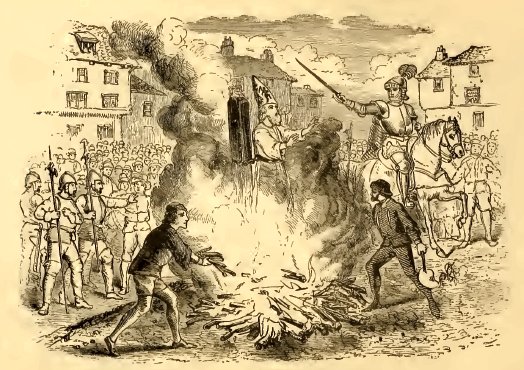
This what they sought to sell, in order to raise funds to meet the debt of the Church [GG, 33] or to fund some endeavour the pope or church is undertaking. During the time of three popes, Pope John XXIII sought to give commission to king Vaclav from the money raised through the sell of indulgences and he did it to raise money for a war he was waging. [GG, 89] To which John Hus spoke out against such practices and making accusation that the pope was a servant of the devil [GG, 90]. Later this pope was deposed and was charged with a crime of murder, theft among many others at the council of Constance and John Hus burned at stake for his trouble. However, Hus prayed for God to forgive his accusers, true to the privilege the Lord has granted him in John 20:22-23. Though his teaching against simony, seems to be incorporated, into the Catholic church and his death regretted by pope John Paul II, in 1999. [GG, 111]
During Luther’s time Pope Leo X sold indulgence to in order to complete, the St. Peter Basilica cathedral to this end he hired a priest named John Titzel to oversee the process. [GG,139] This priest was so adapt at selling indulgence, he coined a turn of phrase: “As soon as the coin in the coffee rings, the soul from purgatory springs.” that with one payment people can release a dead relative from purgatory. [GG, 140] In this effort, Archbishop Albert of Brandenburg, was permitted plenary indulgence to preached in his territory, in reference to St. Peter Basilica of which he was allowed to keep half the returns. The Catholic Encyclopedia records That money contributions, were frequently the chief object of this endeavour. And “Jubilees and indulgences were degraded almost entirely into financial transactions, yet without avail, as the treasury was ruined.” [NA]
The sell of God’s favour for money is what infuriated the Reformers [Wycliffe, Hus, Luther – period over 200 years] to which they spoke out against. These laps in morality, were held, advanced by the popes and practiced by the Catholic Church. And violent actions taken against those who sought to bring the truth of the word of God to light. Again, the point remains, the fact it is in the past is of no consequence, the truth remain the church was directed wrong, the greed of men and hunger for power has overwhelmed the office they stood in. It is clear that not only was the Catholic church misdirected, it stood in opposition to the will of God, through these men.
“Unfortunately, the practice of indulgences has at times been improperly used either through ‘untimely and superfluous indulgences’ by which the power of the keys was humiliated and penitential satisfaction weakened, or through the collection of ‘illicit profits’ by which indulgences were blasphemously defamed. But the Church, in deploring and correcting these improper uses ‘teaches and establishes that the use of indulgences must be preserved’….and it condemns with anathema [curse] those who maintain the uselessness of indulgences or deny the power of the Church to grant them.” [Va. Chp:4:8]
Doctrinal Error of Indulgence: Indulgence is still a fundamental aspect of the Catholic faith. The bases for this doctrine is based on three points of Scripture, the first is the communion of the saints, Romans 12:5 [so we, being many, are one body in Christ, and individually members of one another.] Therefore, we being many are one body as such the works of one affects another. Since Adam’s sin is passed therefore holiness must be passed as well [Va. Chp: 2:4]. So the prayers and good works of the saints affects others. The second is the suffering of the saints, Colossians 1:24 [I now rejoice in my sufferings for you, and fill up in my flesh what is lacking in the afflictions of Christ, for the sake of His body, which is the church.] Because, here Paul speaks saying in his suffering “he is making up for what it lacking in the suffering of Christ.” Therefore the Catholic Church believes suffering of the saints can also be imputed; just as we have obtained mercy through suffering of Christ. The third point is the treasury of haven: 1 John 2:2 [And He Himself is the propitiation for our sins, and not for ours only but also for the whole world.] That is Christ died for the sin of the world, and His sufferings have infinite [inexhaustible] value to meet all the indebtedness of sin. To this, the works of the of Mary and the suffering of the saints are kept as secondary deposit, add-ons. Theses saints have accrued so much good works that they have exceeded any temporal punishment that is due to them and are in overflow to pass it on to others.[NA]
First thing we will address is imputing holiness: There are two natures from which we inherit from Adam the Natural man and Jesus the last Adam: the Heavenly Man. [1 Corinthians 15:45,47] As through Adam sin reigned, so also through Christ Righteousness abounds through grace. As though through Adam we inherit sin nature without any works. We will also inherit righteousness through Christ by faith, apart from any works. Since because of the sin nature we done what was evil and sinful, now we have Christ’s nature we are made able to do what is good and true. But holiness is not passed from one believer to another. Though through prayer and good works we benefit each other in this life through encouragement of faith, correction, support and building one another that is the extent of it. We do not pass the spiritual value of our works or suffering to one another.
The Second point is the misinterpretation of the Colossians 1:24 text. That Paul speaking those words his intent is other than imputing his good works to his fellow christians. If we read through the paragraph Paul is speaking of the suffering he received to bring this revelation that has been hidden from ages [vs 25-27]. That is God has granted Gentiles salvation [Christ is in them] and fellowship of the saints, and are part of the commonwealth of Israel. On this account he endured sufferings and persecutions. It has nothing to do of imputing good works to others. To this we can account the suffering the Reformers endured through persecutions: the slander they have to put up with, [loss of friends] betrayals and imprisonment, their life given up or taken from them. By what they have endured in the flesh we have benefited. The truth they discovered and preached at such cost is what enables us to be where we are. To this we can also add the many who gave up their lives and gone to far flanged place of the world to preach and teach the word of God, with much suffering and at great risk and cost to life. If they could speak to us now, they would say the same thing as Paul did to the Colossians, that they rejoice in their suffering for us and by what they have endured in the flesh, to make up what was lacking in Christ’s affliction. And to what they endured for us, Paul also says their awaits for me a crown of righteousness which the Righteous Judge will give me. [2 Timothy 4:8]
The last point is the inconsistency or failure in logic of the treasury of haven. This also is a result of driven assumptive theology; because of the misunderstanding of point 1 and 2 a gapping hole has to be filled, that is allocating the works of the saints to Christ’s merit even in the face of absolute redundancy. Since the work of Christ is given infinite value to remit any sin committed, yet this doctrine seeks to add to it. Which serves no purpose. If Christ works is sufficient for all, and for all time, that is infinite: then it is inexhaustible then what need has God to open a treasury for us to add our works to His? You can not add to infinity. The point is, there is no cumulation of good works to be dispersed. The Righteous Judge says “I will give to each one according to his works.” Revelation 2:23 So works are not transferable, whether it be sufferings or any other aspect of it. As it says in Hebrews the saints endured much suffering that they may obtain a better resurrection; it is a reward given them. [Hebrews 11:35-38] The principle of indulgence is flawed and unscriptural.
The problem is in seeking to bridge a gap between law and grace. Looking at the life of those in old testament and seeking validation in the new. Jesus Christ did not pour out His blood on the cross to imprison His works to the whims of men. It is a gift of God, and gifts are freely received, without an ounce of works. Truly great harm await those who seek to pander the blood of Christ, by any other means than to reconcile a sinner to His God freely [without attachment to any work]. That is, “God was in Christ reconciling the world to Himself, not imputing their trespasses to them, and has committed to us the ministry of reconciliation.” 2 Corinthians 5:19
This doctrine seeks to buy the grace of God by works. If through the working of God given law no one is justified, [Romans 3:20] how then do you hope to justify yourself before God by working man made rules? If you seek to work of the debt of your sin, you are granted the wages of it that is judgment and condemnation. By your works you have invalidate the grace of Christ. [Galatians 5:4] It is either grace or works: not both. That is the crime of such teaching, it appears harmless and good which grants satisfaction to the flesh as merits earned but in its wake is death and destruction.
The word of God says: “But to him who does not work, but believes on Him, who justifies the ungodly, his faith is accounted for righteousness… Blessed is the man to whom the Lord shall not impute sin.” [Romans 4:5, 8] That is right standing with God, if you have that then there is nothing more for you to do on the account of sin. [Romans 3:24, 26, 28] [Colossians 2:13-14] If God has deemed you not guilty on the account of the Blood of Christ then there is no justice due for sin, temporal or otherwise. Truly it would be unjust of God, to deem one not guilty and yet exact punishment for sin. [John 5:24] Now, think of it like this, if you have committed murder and have come before the court to be judged and in the process, the charge is dropped and you are declared not guilty. If you are still sent to jail to serve the sentence [are you still not guilty? Are you forgiven?] No, you are paying what is owed for your crime. Declaring you guiltless served no purpose. That is what indulgence/purgatory seeks to do. God has forgiven you, declared you free and guiltless but He has sentenced you, to suffer so you should pay for your sin. (Making God Unjust, and the suffering of Christ without purpose) the word of God says:
- He has now reconciled you in His body of flesh by His death, in order to present you holy and blameless and above reproach before Him, Colossians 1:22 (God does that, not the Pope)
- and He is able to present us faultless “before the presence of His glory with exceeding joy. Jude 1:24
- Now may the God of peace Himself sanctify you completely; and may your whole spirit and soul and body be preserved blameless, at the coming of our Lord Jesus Christ. 1 Thessalonians 5:23
If through Christ you are made blameless, there is not a thing for you to work off. The only thing required of you is to stay in faith, your hope in Jesus Christ. “If indeed you continue in the faith, grounded and steadfast, and are not moved away from the hope of the gospel,” Colossians 1:23
Your prayers, worship, thankfulness, gratitude, and your giving are all born out of that and the good works you do you do because you have been perfected and made right, and the fruits of your works will follow you.
“Blessed are the dead who die in the Lord from now on.” “Yes,” says the Spirit, “that they may rest from their labors, and their works follow them.” Revelation 14:13
[Notice it is not their unpaid debit of temporal sins] and of their works it says: “and the fire will test each ones work of what sort it is. If anyone’s work which he has built on it endures, he will receive a reward,… if it is burned, he will suffer loss; but he himself will be saved, yet as through fire.” 1 Corinthians 3:13-15 [the basic is through Jesus, you are saved.]
No Purgatory: [Resurrection of the Dead]
There is only two places the scripture speaks of [death and hades] and haven and not to be mistaken with old testament, prior to the saving work of the Lord. And those who are saved in Christ have one place to go to in death, that is to be in the presence of the Lord. There is no place called purgatory, for them to languish in.
- “Most assuredly, I say to you, he who hears My word and believes in Him who sent Me has everlasting life, and shall not come into judgment, but has passed from death into life. [John 5:24]
- And Jesus in the parable of Lazarus speaks and says “but now he is comforted and you are tormented. And besides all this, between us and you there is a great gulf fixed, so that those who want to pass from here to you cannot, nor can those from there pass to us. John 16:25-26 Here Jesus makes it clear, the place you enter after death you will not be able live. There is no springing the deceased by partial or plenary indulgence. That not the pope nor the Catholic church can change that.
- And Jesus said to him, “Assuredly, I say to you, today you will be with Me in Paradis.” [Luke 23:43]
- To be absent from the body is to be present with the Lord. [2 Corinthians 5:8]
- And of the resurrection it says: For the Lord Himself will descend from heaven with a shout, with the voice of an archangel, and with the trumpet of God. And the dead in Christ will rise first. Then we who are alive and remain shall be caught up together with them in the clouds to meet the Lord in the air. [1 Thessalonians 4:14-17] Of the elect, those who are in Christ are two places, that is to return with the Lord and those who are alive at that time will meet the Lord in the air. No mention of the fictitious place Purgatory.
- Jesus said: “And I have the keys of Hades and of Death” [Revelation 1:18] no purgatory.
The Last point we will make on this subject is using the logic of Luther he addressed in his 95 theses is: If the pope has access to this superabundance of treasure why not allocate it freely to those who are languishing in this state of purgatory [freely exempt all faithful Catholics that are there] or Why not throw wide open the treasury by infallible decree and let the superabundance of Christ’s merits work be granted freely to all who believe, so none from here may go there. Why scramble by means of mass and indulgence [suffrage], and guess work, to set the dead free, when by such a decree, [the superabundance of Christ merits work] can be made available to every Roman Catholic while living. By such an act the pope is able to bring an End to Purgatory once and for all. It is not God consigning the faithful to purgatory, since through Christ He has made His infinite Grace available to all who believe, rather it is the pope who holds the supposed key and stands the prison keeper.
These doctrines has sought to paint such a wrong image of God. It has devalued and squandered the grace of Christ and God is made to look unjust and co-worker of injustice. By creating this fictitious Bank of saints, the Catholic Church has made a path way for idolatry, an excuses to make effigies, and prayers and adoration to be given to created things.
The Catholic church abhors the abuse that were committed through such practice and such abuses that were done, the question remains why were those who brought such abuse to light excommunicated, hunted, and defamed, even in the current standing of the church. A truly contrite church would honour [these heralds of truth] for bringing to light the atrocities done through the supposed back of the church. If not, then the church itself lacks the true contrite spirit required for remission of sins, it expects of its congregation.
Idolatry a Fundamental Aspect of the Catholic Faith:
- Worship of Mary: “nothing dearer than to worship, venerate, invoke and praise with ardent affection the Mother of God.” AND “that the worship of Mary does not take away from the worship that is due to God, it adds to it, since ‘the glory of the children is their father’ Proverbs 17:6” [Va. 15,18]
- Veneration of the image of Mary: “So do those sacred images, exposed therein for the veneration of the faithful, which bring this unique triumph of the Blessed Virgin before the eyes of all men.” [Va. 15].
The question here is why do you worship Jesus? If you say, because He was born sinless, or because He was scourged for our sickness, nailed to the cross for our sins, because He poured out His soul onto death, you would be wrong. Jesus did not work those things to earn our worship. We praise Him, we love Him, we are eternally grateful to Him. However, all the work the Lord has done is to point to who He really is He. “though you do not believe Me, believe the works, that you may know and believe that the Father is in Me, and I in Him.” John 10:38 But we worship Him because of one fact: In the beginning was the Word and the Word was with God, and The Word was God. John 1:1-2 That is why we worship Him because He is God. God is Father, Son and Holy Spirit. Only He deserves our worship. If we see suffering and all manner of good works as means of earning worship we have been deceived. Mary, is not God, she was born of man and woman, she has not existed eternally, no matter what works was done through her, even if it’s to bare the Son of God, does not earn her a privilege to be worshipped. Even if you claim she was full of grace, without sin, and was taken up to haven as Jesus was, bestow upon her all that is done by Jesus, No worship is due to her. Worship is reserved to God, and God alone. God says, He is a jealous God:
you shall not make for yourself a carved image – any likeness of anything that is in the earth beneath, or that is in the water under the earth; you shall not bow dow down to them. For I, the Lord your God am a jealous God. Exodus 20:4
Mary is a woman, form whom Jesus took His humanity, (the seed of the woman) if Mary was divine then Jesus would have no human form in Him, He would be God through and through. But because she is a human just as we are, Christ was able to be made like us. So if she is a woman, and worship is not earned, then why do you worship her? Act in contradiction to the word of God:
- And I fell at His feet to worship him. But he said to me, “See that you do not do that! I am your fellow servant, and of your brethren who have the testimony of Jesus. Worship God! For the testimony of Jesus is the spirit of prophecy.” Revelation 19:10
- Now I, John, saw and heard these things. And when I heard and saw, I fell down to worship before the feet of the angel who showed me these things. Then he said to me, “See that you do not do that. For I am your fellow servant, and your brethren the prophets, and of those who keep the words of this book. Worship God.” Revelation 22:8-9
In the above two revelation verses John, shows no worship is to be given to any other but God alone. The reason given by the Catholic Church saying, “Honour your father and mother,” Exodus 20:12 so, we must honour Mary and she also said “henceforth all generation will call me blessed.” Luke1:48 as a bases for worship is flawed. Men and women have been honouring their parents from the beginning. But never worshiped them. We ought to honour Mary and call her blessed but we are NOT to worship her. We give her the same honour as we honour those who labour for Christ and as we also remember our indebtedness to the nation of Israel through whom Christ has come. That is Jesus Christ came from Israel as much as He did came from Mary. David in the Spirit calls the Christ Lord: “The Lord said to my Lord.” and Jesus taught on this, saying “If David then calls Him ‘Lord,’ how is his Son?” [Matthew 22:41-45] The point is Mary did not become the the mother of Jesus’s divinity but His humanity. Just the same way David knew, though the Christ would come from His line, He is also God eternal.
Therefore, to worship Mary in any manner or form is Idolatry. We honour Jesus, by worshiping His mother is an error, and a cover for idolatry. The basics of the faith is God has revealed Himself to us in the person of the Father, the Son and the Holy Spirit, any other teaching that seeks to partake in the worship of God is not from God, but the deception of the enemy. Paul also warns us saying “No Idolator” will inherit the kingdom of God 1 Corinthians 6:9, “nor a covetous man, who is an idolater, has any inheritance in the kingdom of Christ and God.” Ephesians 5:5
The rosary prayer, is a pray that “involves the recitation of five decades of prayer consisting of the 1 x Our Father, 10 x Hail Mary’s and the Doxology.” A decade is 1 “Our Father” and 10 “Hail Mary’s.” The believer recites these prayers aided by the use of a rosary beads which are separated using the same ratio.
do not use vain repetitions as the heathen do. For they think that they will be heard for their many words. Matthew 6:7
Before we can say what is deemed to be vain repetition then we have to have an understanding of what prayer really is. Before Adam fell, he did not pray, but he communed with God. He talked and walked with God. However since the fall, prayer is a means by which we commune with God through faith. As it says in Hebrews “But without faith it is impossible to please Him, for he who comes to God must believe that He is and that He is a reward of those who diligently seek Him” Hebrews 11: 6 Throughout the bible we have been given many example of people who have prayed to God and obtained their desires:
- Abraham’s Servant Genesis 24:12, Isaac Genesis 25:21, Joshua 7:7, Gideon Judges 6:36, Judges Manoah 13:8, Samson Judges 15:18, 28, Hannah 1 Samuel 1:11; 2:1 Samuel 1 Samuel 8:7, David 2 Samuel 7:18, Elijah 1 Kings 17:18; 18:36; 19:4, Elisha 2 kings 4:33; 6:17 Hezekiah, 2 kings 19:15; 20:3 Daniel 2:17;6:10; 9:3 [New testament: John 11:41;17:1, the body Acts 12:5]
Prayer is an exercise of faith, Jesus said: “Therefore I say to you, whatever things you ask when you pray, believe that you receive them, and you will have them.” Mark 11:24 and James also says whoever lacks wisdom let him ask God, but let him ask in faith, without doubting James 1:6
Throughout the bible, there are records of sincere prayers that are made in anguish of heart and none were repetitive for the sake of it. The Lord prayed the same prayer three times, “O My Father, if it is possible, let this cup pass from Me; nevertheless not as I will, but as You will.” Matthew 26:39 and the bible records “And being in agony, He prayed more earnestly. Then His sweat became like great drops of blood.” Luke 22:44 The point we are making is though he repeated the prayers He did not do it for the sake of it, nor did he repeat the same words over and over in one sitting. Paul also made a similar prayer, asking the Lord to take away the thorn in the flesh to which he states He pleaded with the Lord 3 times. 2 Corinthians 12:8.
Now this is the confidence that we have in Him, that if we ask anything according to His will, He hears us. And if we know He hears us, whatever we ask, we know we have the petitions that we have asked of Him. 1 John 5:14-15
Prayer, we present before God, we do it in faith that He hears us, and if He hears us then we ought not simply repeat ourselves incessantly then we are neither communing with Him nor are we petitioning Him. What would do you call a child sitting at your feet saying, “can I go out to play” one after the other in robotic manner, “annoying” so should God enjoy your repetitive prayer, that does not even give Him the slightest hint you are taking account of the petition you make of Him? Such prayer, has got no faith attached to it. The petition you make or honouring you seek to give is mindless, irreverent and waste of time. A single prayer done in faith is worth more than the countless repetitive prayers, in obtaining its goal.
The fact that the rosary is a repetitive is the evidence that the petitions are not made as in to the One who hears. But to obtain some goal by the sheer merit of the numbers offered. This is evident even when a prayer is offered to a neighbour, the words are not changed merely a thought, for whom its offered then the same words are repeated over and over on their behalf. The success of the prayer is not determined by faith in the word of God, but the promise of men.
Catholic apologetic explain what accounts for vain repetition is a repetitive prayers that are made to a false god [ewtn]. And give the example of 1 Kings 18:26-29, Where Elijah and the prophets of Baal where in contention. And suggests the heathens prayer is accounted vain because, there is no answer, a mere repetition of many words. Since, there is no god called Mary so like the prophets of Baal repetitive prayer is applicable, in that it differs in nothing from the heathens. Jesus has commanded you saying “Therefore do not be like them” then why do you simulate the heathens in practice and method?
Another aspect that is used as justification for such prayer is the words of the living creatures in Revelation 4:18 saying “Holy, Holy, Holy is the Lord.” which they do that without ceasing. The deference being that they are not praying to God, nor are they petitioning Him but are engaged in worshiping Him, that is they cannot help but declare His holiness. To which the rosary does not qualify.
The point is the rosary is a prayer of vain repetition and that is exactly what Jesus commanded us Not to do. Prayer is a conversation with God our Father so it is not the quantity of the prayer that counts but faith in the prayer. Jesus did tells us to pray and not to lose heart, Paul also teaches saying continue stedfast in prayer but none are repetitive. The final point is prayers are made to God and God alone, to which the rosary is in clear breach.
Prayer to Mary and the Saints.
pray to your Father who is in the secret place; and your Father who is in secret will reward you openly. And when you pray, do not use vain repetitions as the heathen do. For they think that they will be heard for their many words. “Therefore do not be like them. For your Father knows the things you have need of before you ask Him. In this manner, therefore, pray: “Our Father in haven..” Matthew 6:6-9
Jesus gave His disciples, a clear direction to whom they ought to pray, saying: “Pray to your Father”, “Your Father who sees in secret”, “Your Father knows what you need before you ask Him.” and “In this manner, therefore, pray: “Our Father in Haven.” Jesus is in no way ambiguous on His direction, He has clearly stated to whom we ought to pray. That is the privilege that is granted us, through Him.
- “And in that day you will ask Me nothing. Most assuredly, I say to you, whatever you ask the Father in My name He will give you…“In that day you will ask in My name, and I do not say to you I shall pray the Father for you; for the Father Himself loves you, because you have loved Me, and have believed I have come forth from God.” John 16:23, 26-27
If Jesus taught saying, “I do not say to you I shall pray the Father for you;” that is we ourselves have been given direct access to God that we may present our prayers before Him. Then why are we entangled, in the question of to whom we ought to pray? The discrepancy comes from the application of the following verses, as mentioned several times above this doctrine is a result of driven assumptive theology. The doctrine developed stands in clear contradiction to the entire Bible, and has become a means by which idolatry has entered the Roman Catholic faith.
so we being many, are one body in Christ, and individually members of one another. Roman 12:5 AND being many are one body, so also is Christ. For in one Spirit we are all baptised into one body. 1 Corinthians 12:12-13
“We believe in the communion of all the faithful of Christ, those who are pilgrims on earth, the dead who are being purified, and the blessed in heaven, all together forming one Church; and we believe that in this communion, the merciful love of God and his saints is always [attentive] to our prayers.” —Pope Paul VI [NCR]
The Roman Catholic church defines the communion of the church to be as one body living or dead. That is the saints who have fallen asleep in the Lord are not separated from the body, therefore continue in communion with the living. As such they are attentive to the prayers of the living. Since James teaches that we ought to pray for one another and the prayer of a righteous man avails much, therefore the prayer of dead saints who have entered haven must be of greater worth. For this reason the Roman Catholic church instructs to make prayers to Mary and the saints.
To this we have given a quite a few examples of prayers in the New testament church; that every prayer was made to God and every instruction given, directs prayers to be made to God. In no way do the New Testaments writers encourage or even make slightest hints that we ought to make prayers to anyone else. People have spoken to angels and have seen great visions, but there has NEVER been a case where a person prayed to another being other than God. Prayer is a means specifically reserved for communication with God only:
Be anxious for nothing, but in everything by prayer and supplication, with thanksgiving, let your request be made known to God; Philippians 4:6
Prayer is not a means by which we address the dead. When communing with the saints [living] we write, speak and ask one another that we may pray and be prayed for. The object is to make prayers to God on behalf of one another. Paul encourages the various churches; local bodies banded together for the edification and support of one another, saying “not to neglect the gathering of yourselves“ we don’t have that privilege with the dead. They are separated from us as a living saint is, who is in far away place and with no means of communication, yet we are still one body in Christ. They are alive to God but they are very much asleep to us.
- praying always with all prayer and supplication in the Spirit, being watchful to this end with all perseverance and supplication for all the saints – and for me, that utterance may be given to me. Ephesians 6:18-19
[If All Saints: include the dead and the living, according to Roman Catholic beliefs; is Paul asking us to intercede even for those who are in haven? The dead who have entered into glory have no need of our intercession. Therefore, when referring all the saints he must mean those who are living and not the dead.]
A few examples of prayers:
- Peter was therefore kept in prison, but constant prayer was offered to God for him by the church. Acts 12:5
- Now I beg you, brethren, through the Lord Jesus Christ, and through the love of the Spirit that you strive together with me in prayers to God for me,… Romans 15:30
- For this reason I bow my knees to the Father of our Lord Jesus Christ, … That He would grant you, according to the riches of His glory. Ephesians 3:14-15
- I thank my God upon every remembrance of you, always in every prayer of mine making request for you all with joy, Philippians 1:3-4
- Continue earnestly in prayer, being vigilant in it with thanksgiving; meanwhile praying also for us, that God would open to us a door for the word, to speak the mystery of Christ, Colossians 4:2-3
- Therefore we also pray always for you that our God would count you worthy of this calling,.. 2 Thessalonians 1:11
- Therefore I exhort first of all that supplications, prayers, intercessions, and giving of thanks be made for all men… For this is good and acceptable in the sight of God our Saviour, … 1 Timothy 2:1, 3
- and pray for one another, that you may be healed. The effective fervent prayer of the righteous man avails much. James 5:16-17
The by product of prayer to Mary and the Saints is the wide acceptance of idolatry. The sell or provision of effigies, trinkets and statues for the purposes of worship and prayer. The placement of saints for various aspects like Christopher for travellers, Augustine for animals and so on. Each with effigies and some with prayers for a faithful Catholic to practice, further separating them from God. Prayer is an offering we make to God:
- The Angle of the Lord speaking to Manoah, instructs him saying: “If you offer a burnt offering you must offer it to the Lord.” Judges 13:16
- Therefore by Him let us constantly offer the sacrifice of praise to God, that is the fruit of lips that gives thanks to His name. Hebrew 13:15
- Yet I have reserved seven thousand in Israel, all whose knees have not bowed to Baal, and every mouth that has not kissed him. 1 Kings 19:18 [God Speaking to Elijah, speaks of those who have not fallen to idol worship]
We no longer offer, burnt offering but we offer prayer, praise, worship and adoration that is the fruit of our lips, we give onto the Lord and Him alone. As such we ought not to think, using the words of our mouth in the act of prayer for the veneration of crated being acceptable to God.
Paul says test everything, and tells Timothy to keep careful watch on his teaching: that is so we maybe kept from error. But these system does not allow its members to question the fundamental belief errors that exists. But through ultimatums, demands blind obedience at the pain of excommunication and threats of internal damnation. Through fabricated infallible authority they have desecrated the grace of God and promoted idolatry. In their quest for power, the blind has become its leaders and the shepherds its butchers.
This solemnly proclaimed doctrine is expressly termed a “doctrine revealed by God”. Pope Pius IX adds that it must be “firmly and constantly believed by all the faithful”. Consequently, whoever does not make this doctrine his own, or maintains an opinion contrary to it, “is shipwrecked in faith” and “separates himself from Catholic unity“.] [Va. 45,47].
The fact the Catholic church and the Pope strive to promote idolatry show the lack of understanding the church has accumulated trough its over 1000 year history. Truly, the natural man can not discern the things of the Spirit is truly fulfilled in this house. Time and time again, they are captured by what is not the intent of the word. This ardent desire that refuses the word of God, and constantly look to men as a foundation of faith, is ingrained to the very fibre of the faith. Document after document piles reference after reference, each building on the other, yet the word of God is hardly to be found. And in the places it does appear the text is taken out of context, its meaning so twisted the value of the teaching is lost. Copious amount of words are used to lavish, devotion and bestow honour but if it is done to promote idolatry, and teachings that entangle men separating them from the truth of the word of God, what point is that. As Peter says “they speak great swelling of words of emptiness, they allure through the lust of the flesh, through lewdness, the ones who have actually escaped. 2 Peter 2:18
All Scripture is given by inspiration of God, and is profitable for doctrine, for reproof, for correction, for instruction in righteousness, that the man of God may be complete, thoroughly equipped for every good work. 2 Timothy 3:16-17
For the time will come when they will not endure sound doctrine, but according to their own desires, because they have itching ears, they will heap up for themselves teachers; and they will turn their ears away from the truth, and be turned aside to fables. 2 Tim 4:3-4
It would seem the Catholic church itself is in need of saving and excommunication the best thing for you.
Answers to Catholic Apologetic Arguments.
Prayer for the dead = [No purgatory No prayer for the Dead]And Jesus in the parable of Lazarus speaks and says “but now he is comforted and you are tormented. And besides all this, between us and you there is a great gulf fixed, so that those who want to pass from here to you cannot, nor can those from there pass to us. John 16:25-26 Here Jesus makes it clear, the place you enter after death you will not be able live.
Pre Calvary there were two places, a place of rest [Samuel and Daniel entered], and hades place of torment where the rich man was. Of the gulf in between Abraham says none can go form here to there nor anyone from there may pass to us. There was no intermediate place. When the Lord made Himself an offering, the saints of the past were lifted up with Him, John 5:28-29, Matthew 27:52-53 and anyone from that point on those who die in Christ enters Haven with Him as did the penitent sinner on the cross. Luke 23:43 and Revelation 14:13. There is no crossing over, either you enter haven with the Lord, or are in Hades. Therefore prayer for the dead, serves no purpose.
Prayer to Dead Saints: Jesus with Moses And Elijah: That Jesus speaking to Moses and Elijah on the mount of transfiguration deemed a poor example if the Lord did not want His disciples to pray to dead saints?
The purpose of such a revelation was to show who Jesus really is. Matthew 16:28 Jesus Himself declared those who stood there would see the Son of Man coming in His kingdom. Peter also later writes saying he was witness of the coming of the Lord Jesus Christ and of His majesty. For He received from God the Father honour and glory. 2 peter1:16-17 The appearance of Moses and Elijah testify to who He is: He is the God of the living and the dead. Jesus did not pray to them, but they talked with Him and “spoke of His decease which He was about to accomplish at Jerusalem.” Luke 9:31 In the same manner the Angels have ministered to Jesus twice, once in the wilderness Matthew 4:11 and at Gethsemane Luke 22:43. Jesus was not giving an example of prayers to be made dead saints, nor to angels but an exhibition of His majesty.
The Elders and angels in Revelation:
- Now, when He had taken the scroll, the four living creatures and the twenty-four elders fell down before the Lamb, each having a harp, and golden bowls full of incense, which are the prayers of the saints. Revelation 5:8
- Then another angel, having a golden censer, came and stood at the altar. He was given much incense, that he should offer it with the prayers of all the saints upon the golden alter which was before the throne. And the smoke of the incense, with the prayers of the saints ascended before God from the angel’s hand. Revelation 8:3-4
The service of burning incense in the Temple [Luke 1:8-11]: The writer of Hebrews, teaches saying these are copies of the heavenly, when Moses when building the temple was instructed to make everything according to the design shown him. Hebrews 8:5 In the temple there is the lamp-stand and on the other side the table on which is the show-bread. Behind the veil in the Holy of Holies, before the Ark is the golden alter [censer] on which the priest burns incense daily at the designated hour. The priest by doing this is mimicking the service in haven, presenting the prayer of the people before God. The people did not need to pray to him nor made their prayer known to him. Yet he diligently provided this service.
The elders and the angel, presented the incense with the prayer of the saints before God. However it never says, they prayed or interceded for them. The service they rendered differed in nothing from the service the priest presented in the temple. [Example of sending a letter via a post. The sender only need to know the address of the recipient. The means it arrives there is unknown to him. In the same manner the way our prayers rise before God is unknown to us, we have a picture painted to us in the service of the temple and the visions in Revelation. However this is not so we make prayers to Saints and angels. It is a blessing the names of the 24 elders or the angel was not given, or people would have made prayers to them. All we need know is to direct our prayers to God.
Saul did Not Pray to Samuel:
“Give no regard to mediums and familiar spirits; do not seek after them, to be defiled by them: I am the Lord your God.” Leviticus 19:31
The key point is Prayer is not a means to contact the dead. If the dead interceded for the living, then Saul ought to have prayed to Samuel, without the use of a medium. Saul knew Samuel was a man of God, but he did not pray to him. He did not ask him that he may intercede on his behalf. But used a medium to contact the dead and do what is not lawful. And when Samuel spoke he was not aware why he was brought up, “Why have you disturbed me by bringing me up?” as one who was awoken from sleep. When Saul responded he told him how the Lord did not answer him and as his last recourse was to use a medium. In all the things he done he did not think to pray to the dead. [1 Samuel 28:14-16]
Reference:
- [GG] The Roaring Reformers, God’s Generals, by Roberts Liardon, 2003
- [SC] The Strong’s Expanded Exhaustive Concordance of the Bible.
- [SEPTU] The Greek Old Testament [Septuagint]: https://www.septuagint.bible/home, https://www.academic-bible.com/en/home/
- [BLB] Online translation, concordance of the bible: https://www.blueletterbible.org/
- [GTY] John McArthur’s on Matthew 16:18. [https://www.gty.org/library/bibleqnas-library/QA0098/upon-this-rock-i-will-build-my-church]
- [CEG] Key of David: [ https://www.eternalgod.org/question-and-answer-32/]
- [GQ] Got questions website: https://www.gotquestions.org/Catholic-questions.html
Apologetic Sites for Catholic Church. Terms to search for [Assumption of Mary, Immaculate Conception, Infallibility, Indulgences, purgatory]
- [NA] Catholic Encyclopedia: http://www.newadvent.org/cathen/ [a detailed archive of Catholic terms]
- [EWTN] Catholic Apologetics: https://www.ewtn.com/catholicism/library/apologetics-870 [Apologetic explanation of various doctrines]
- [NCR] An extension of ewtn.com: https://www.ncregister.com [Articles]
- [CP] Scott Hahn on the Papacy: http://www.catholic-pages.com/pope/hahn.asp [Gives an interpretation on Matthew 16:15-19 and Isaiah 22:19, through this text gives a general address on; Peter’s primacy, succession and Infallibility]
- [Va.] The Vatican: http://w2.vatican.va/content/vatican/en.html [Documents: Immaculate Conception of Mary, Assumption of Mary, Indulgence]
 Bread Bait.
Leave a comment